


Breadcrumbs
These links will help you get back to where you want to go faster.
The Hidden Danger in Your Vents: Understanding Hantavirus and Protecting Your HVAC System in Florence, Arizona
In the dry, rugged environment of the Arizona desert, sharing your home space with local wildlife is common. However, some visitors pose more than just an inconvenience—they carry serious health risks. Recent hantavirus outbreaks in early 2026 have raised awareness of this severe respiratory illness, especially for homeowners in Florence, Maricopa, and the East Valley. The primary culprit? Often, it’s the very system designed to keep your home comfortable: your HVAC air ducts.
What you will learn in this article:
- Hantavirus Pulmonary Syndrome (HPS) is a serious respiratory illness carried primarily by deer mice in the Arizona desert, including Florence, AZ.
- The virus spreads mainly through inhalation of aerosolized particles from rodent droppings, urine, or nesting materials, which can contaminate HVAC air ducts.
- Rodents are attracted to HVAC systems because they provide shelter, warmth, and water, making ducts vulnerable to infestation and contamination.
- Rodents nesting inside HVAC ducts can spread harmful particles throughout a home via the blower fan.
- Key prevention steps include: air duct cleaning, sealing HVAC penetrations, maintenance and upgrading filtration systems.
- Allstate Air and Heating, LLC offers specialized HVAC inspection, professional duct cleaning, sealing services, filtration upgrades, and coordination with pest control to protect Florence homes.
- Homeowners should seek immediate medical attention if experiencing flu-like symptoms progressing to breathing difficulties after rodent exposure.
Looking for a local, reliable and trustworthy HVAC Company? Allstate Air & Heating, LLC. is licensed for AC Installation, AC Repair, Smart Thermostat Installation, Air Duct Cleaning, Air Duct Repair and Dryer Vent Cleaning. For a free estimate call: 480-704-4828 or schedule an appointment online.
What Is Hantavirus and Why Should You Be Concerned?
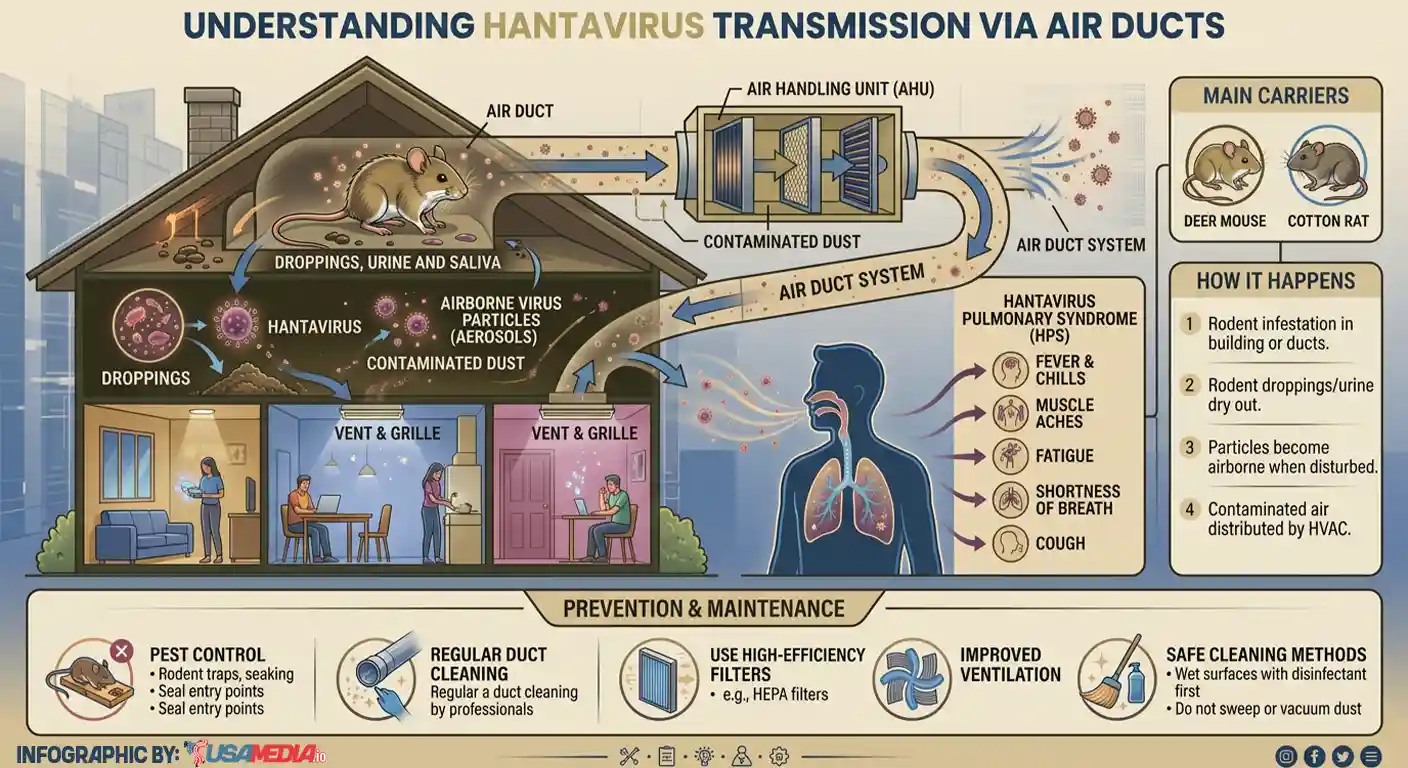
Hantavirus Pulmonary Syndrome (HPS) is a serious respiratory disease that can sometimes be fatal. In the Southwest, this virus is most commonly carried by deer mice. Unlike many viruses, hantavirus is rarely transmitted from person to person. Instead, the primary route of infection is through inhalation of aerosolized viral particles.
When rodent droppings, urine, or nesting materials are disturbed, microscopic viral particles become airborne. If these airborne particles enter your HVAC system, they can be distributed throughout your home, increasing the risk of inhalation.
Why Your HVAC System Is Vulnerable to Rodent Contamination
Rodents seek three basic needs: shelter, warmth, and water. Your HVAC system provides all three:
- Ideal Nesting Areas: Insulated ducts offer a soft, dark, and warm environment, perfect for rodents to build nests.
- Easy Entry Points: Small gaps in wall penetrations or loose duct connections serve as open doors for desert rodents.
- The “Super-Spreader” Effect: Rodents nesting inside return air ducts can turn your blower fan into a distribution system for dander, droppings, and dried waste particles, pushing contaminants throughout your living spaces.
Protecting Your Florence Home: Practical Steps to Reduce Hantavirus Risk
Living in rural or desert-fringe areas like Florence makes rodent-HVAC interactions more likely. Here are effective ways to minimize risk and safeguard your home:
1. Professional Air Duct Cleaning
If you notice rodent droppings, scratch sounds, or a strong musky odor, a simple vacuum won’t suffice. Professional air duct cleaning removes debris and nesting materials that harbor harmful pathogens. At Allstate Air and Heating, we use industrial-grade equipment and HEPA containment protocols to thoroughly sanitize your ductwork.
2. Seal All HVAC Penetrations
Rodents can squeeze through holes as small as a nickel. It’s essential to seal gaps where refrigerant lines, electrical conduits, and vents penetrate walls. Using steel wool combined with high-quality silicone caulking around exterior units and vents can prevent rodent entry before infestations develop.
3. Regular HVAC System Maintenance
Routine HVAC tune-ups are vital to spot early signs of rodents, such as chewed wiring or shredded insulation, that many homeowners overlook. Early detection not only protects your system from costly damage but also reduces health risks.
4. Upgrade to High-Efficiency Filtration
Installing filters with a MERV rating of 13 or higher helps capture smaller airborne particles. While no filter can entirely eliminate viruses, enhanced filtration reduces the biological load circulating in your indoor air.
In-Duct UV-C Germicidal Lights: UV-C light has been used for decades in hospitals to sterilize equipment. When installed inside your air handler, these lights target the DNA and RNA of bacteria, mold, and viruses—including Hantavirus. By damaging their genetic blueprint, UV-C lights prevent these microorganisms from replicating or causing infection.
Bipolar Ionization Systems: Ionization systems, such as the iWave, work by releasing positive and negative ions into the air stream. These ions cause tiny sub-micron particles (like viral pathogens and dust) to clump together. Once they are “bundled” into larger clusters, they are easily caught by your HVAC filter or fall out of the air entirely, significantly reducing the amount of airborne contaminants.
The REME HALO®: The Gold Standard in Air Purification: For the ultimate level of protection, we recommend the REME HALO®. Unlike passive technologies that wait for air to pass through them, the REME HALO® actively sends out hydro-peroxide plasma throughout your entire living space.
- Kill at the Source: It neutralizes 99% of bacteria, mold, and viruses on surfaces and in the air.
- Whole-Home Coverage: A single unit can purify every cubic inch of air that your HVAC system reaches.
- Odor & VOC Removal: Beyond biological threats, it effectively eliminates smoke, cooking odors, and chemical vapors.
How Hantavirus Spreads and Why It Matters for Your Home
Hantavirus is transmitted primarily through inhalation of dust contaminated with infected rodent urine, droppings, or nesting materials. Secondary infections may occur through direct contact with contaminated surfaces or, rarely, through rodent bites. Person-to-person transmission is extremely uncommon and has only been documented with the Andes virus in South America.
Rodents typically nest in attics, crawl spaces, furnace rooms, and duct plenums. Disturbing these areas during maintenance or cleaning can aerosolize contaminated dust and spread the virus through your duct system, potentially exposing all rooms in your home.
Safe and Effective Risk Reduction Strategies
Following recommended guidelines can greatly reduce hantavirus risks:
- Seal and Secure Entry Points: Close gaps around pipes, vents, and foundation cracks. Screen attic vents and seal holes larger than ¼ inch.
- Pre-Inspection: Before any duct cleaning or HVAC work, inspect for rodent droppings, nests, dead rodents, or tracks. If heavy contamination is detected, follow strict cleanup protocols.
- Safe Cleanup Practices: Avoid dry sweeping or using standard vacuums without HEPA filtration. Wear gloves and an N95 respirator, ventilate the area, spray droppings with disinfectant, and dispose of waste securely. Professional cleanups are strongly recommended.
- Containment During Service: Use negative-pressure HEPA exhaust and localized containment when servicing contaminated areas. Replace or disinfect affected duct sections as required.
- Filter Upgrades and Maintenance: Install and regularly replace high-efficiency filters suitable for your system. Always handle used filters wearing protective gear.
- Ongoing Rodent Control: Remove attractants such as pet food and open trash, trim vegetation away from the house, store firewood off the foundation, and consider licensed pest control services.
The Role of Allstate Air and Heating, LLC in Protecting Florence Homes
Allstate Air and Heating, LLC offers expert HVAC and air quality solutions tailored for Florence and nearby communities:
- Comprehensive inspections focusing on rodent entry points, contamination, and equipment damage.
- Professional air duct cleaning using HEPA-grade containment and industry-standard sanitization procedures.
- Attic and duct sealing, vent screening, and recommendations on appropriate filter upgrades (MERV or HEPA).
- Coordination with licensed pest control professionals for infestation cleanup and prevention.
When to Seek Medical Attention
If you develop flu-like symptoms—fever, muscle aches, fatigue—that progress to shortness of breath, especially after known rodent exposure or cleaning activities in rodent-infested areas, seek immediate medical care. Early diagnosis is critical as HPS can rapidly worsen and become life-threatening.
Stay Safe and Proactive: Protect Your Family and Home
In Florence and throughout Arizona, hantavirus is a rare but serious threat. Being informed, proactive, and working with professionals to maintain your HVAC system and control rodents provides the best defense.
Looking for a local, reliable and trustworthy HVAC Company? Allstate Air & Heating, LLC. is licensed for AC Installation, AC Repair, Smart Thermostat Installation, Air Duct Cleaning, Air Duct Repair and Dryer Vent Cleaning. For a free estimate call: 480-704-4828 or schedule an appointment online.
Frequently Asked Questions
What is hantavirus and how is it transmitted?
Why are HVAC systems vulnerable to rodent contamination?
HVAC systems provide rodents with shelter, warmth, and water. Insulated ducts offer ideal nesting areas, and small gaps or loose duct connections allow rodents to enter, potentially contaminating the system with harmful particles.